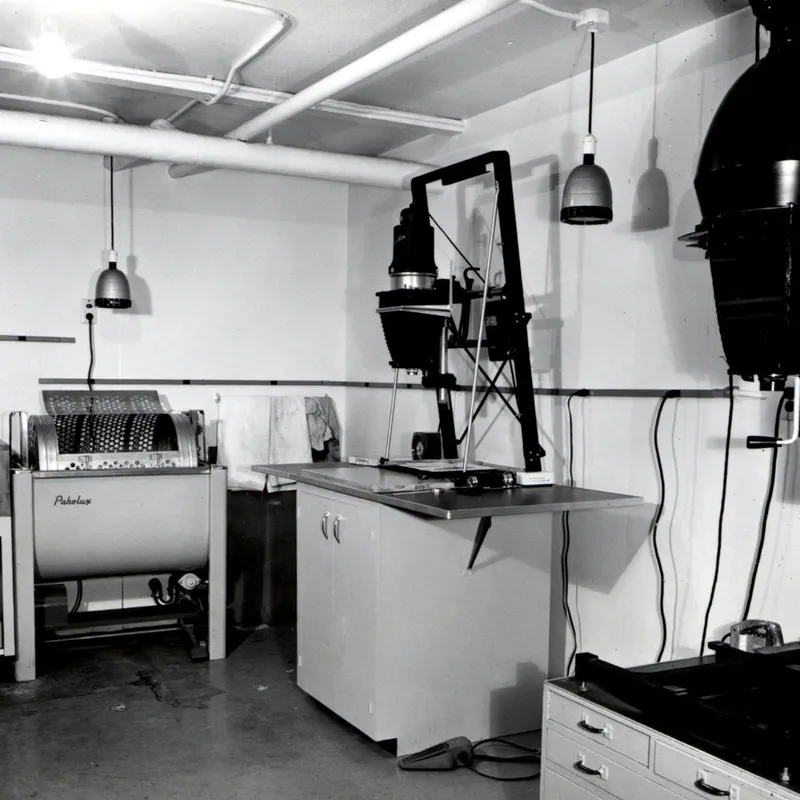
· 9 min read
Paper Contrast Grades and Variable-Contrast Printing
How fixed-grade and variable-contrast papers reshape a negative's tonal range, and how enlarger filtration sets contrast under the lens.
· 9 min read
How fixed-grade and variable-contrast papers reshape a negative's tonal range, and how enlarger filtration sets contrast under the lens.
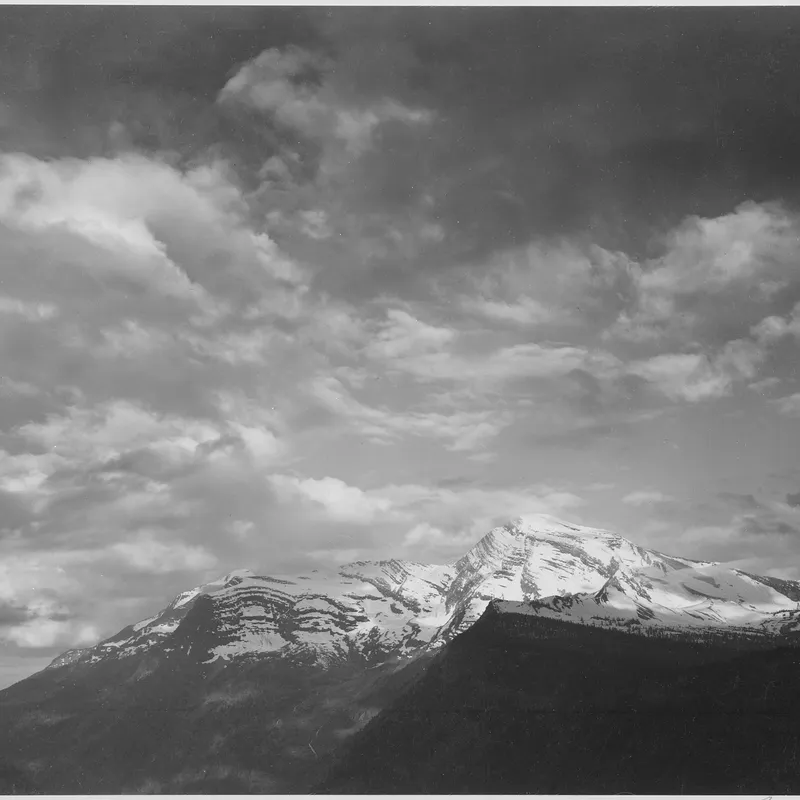
· 6 min read
How Ansel Adams treated the negative as a fixed score and the print as performance, holding back and burning in to realize a visualized tonal scale.
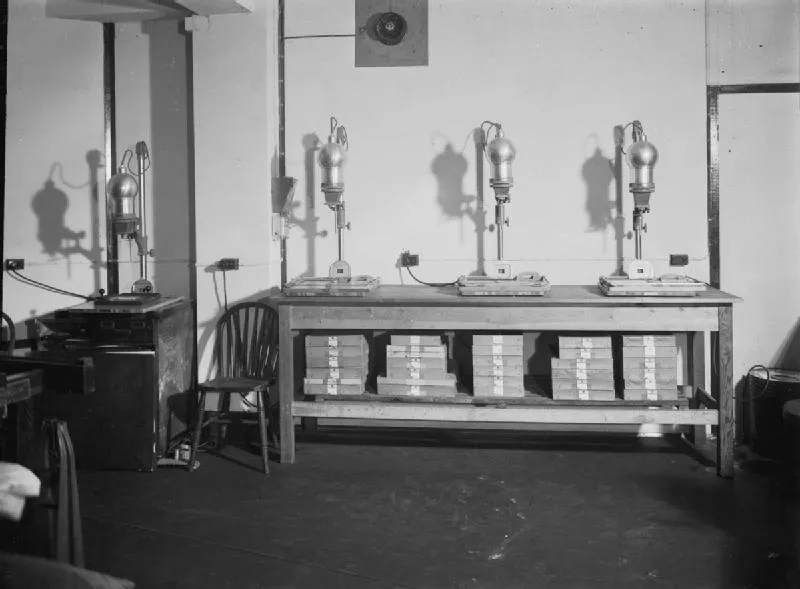
· 7 min read
How a sub-threshold pre-exposure lowers highlight contrast on printing paper, why it works on the toe of the curve, and how to calibrate the flash level.
· 6 min read
Fibre prints darken and flatten as they dry. How to measure the dry-down percentage and adjust exposure and contrast so the dry print matches the wet judgement.
· 7 min read
How holding back and adding light to specific print areas works, why constant motion keeps edges soft, and how a printing map records the sequence.
· 5 min read
How a stepped test strip establishes base enlarging exposure, covering aperture choice, strip orientation across the tones, and judging it under room light.
· 7 min read
How printing through grade 0 and grade 5 filtration in two separate exposures gives independent control over highlight tone and shadow contrast.