· 9 min read
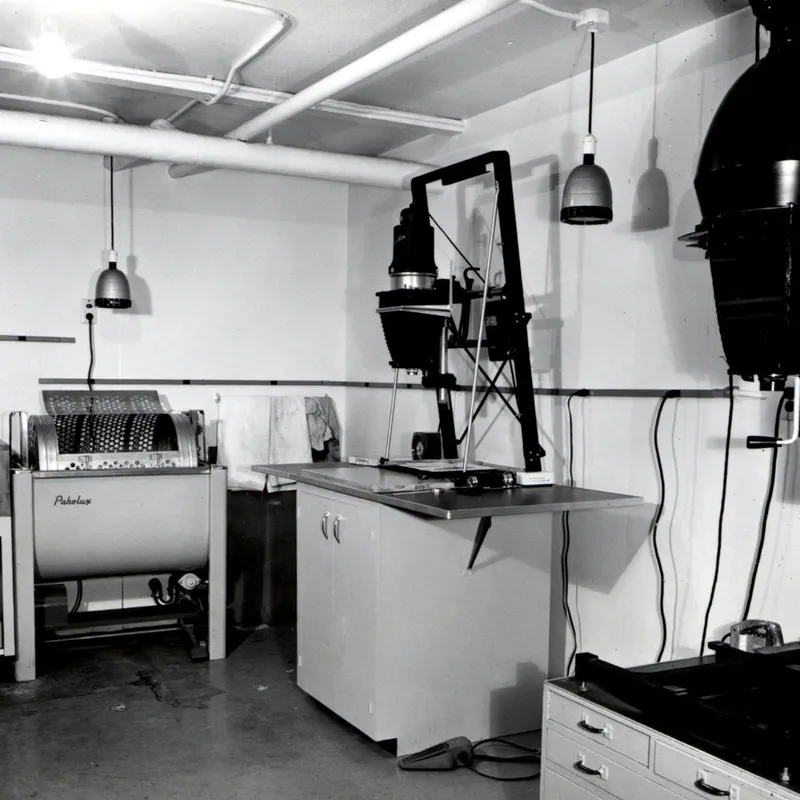
Paper Contrast Grades and Variable-Contrast Printing
How fixed-grade and variable-contrast papers reshape a negative's tonal range, and how enlarger filtration sets contrast under the lens.
· 9 min read
How fixed-grade and variable-contrast papers reshape a negative's tonal range, and how enlarger filtration sets contrast under the lens.
· 6 min read
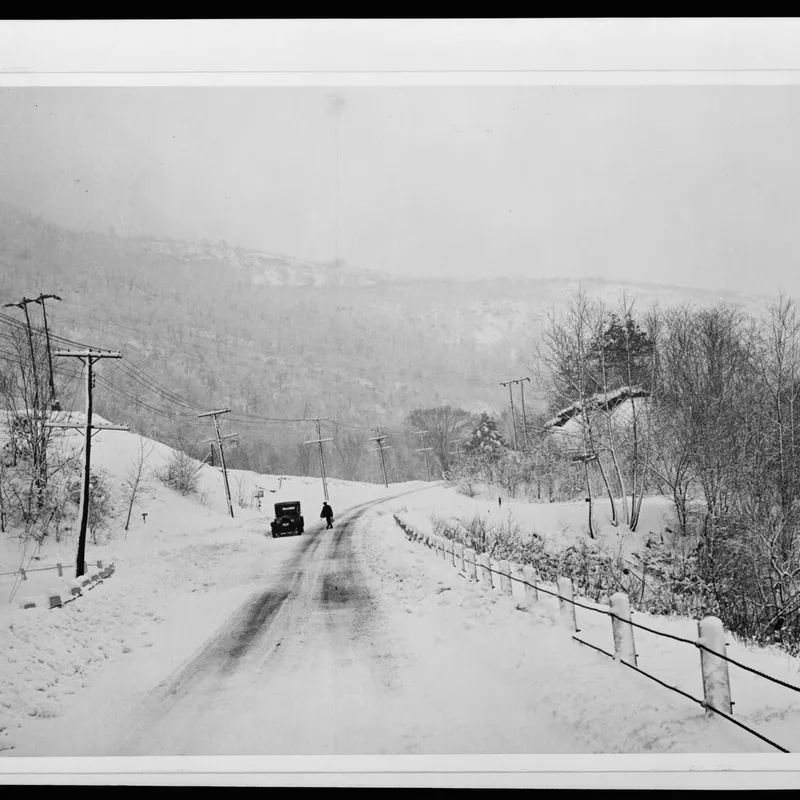
In monochrome a line is wherever light meets dark. How luminance edges, not colour boundaries, carry the eye through a black and white frame.
· 6 min read
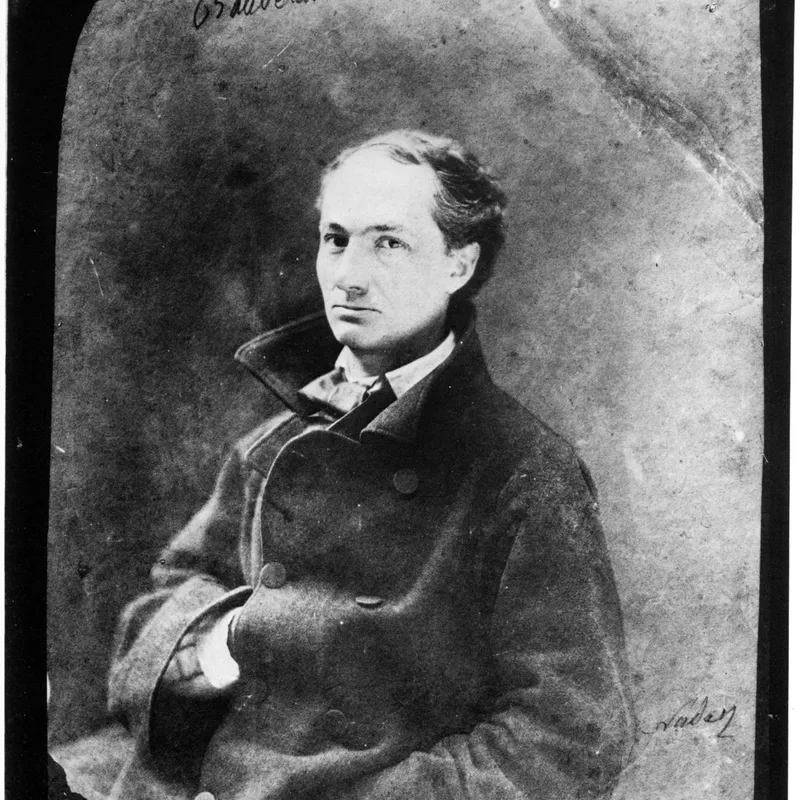
How a single hard light, deep shadow and minimal fill build Rembrandt and split lighting, and how the Zone System keeps the dark side readable.
· 7 min read
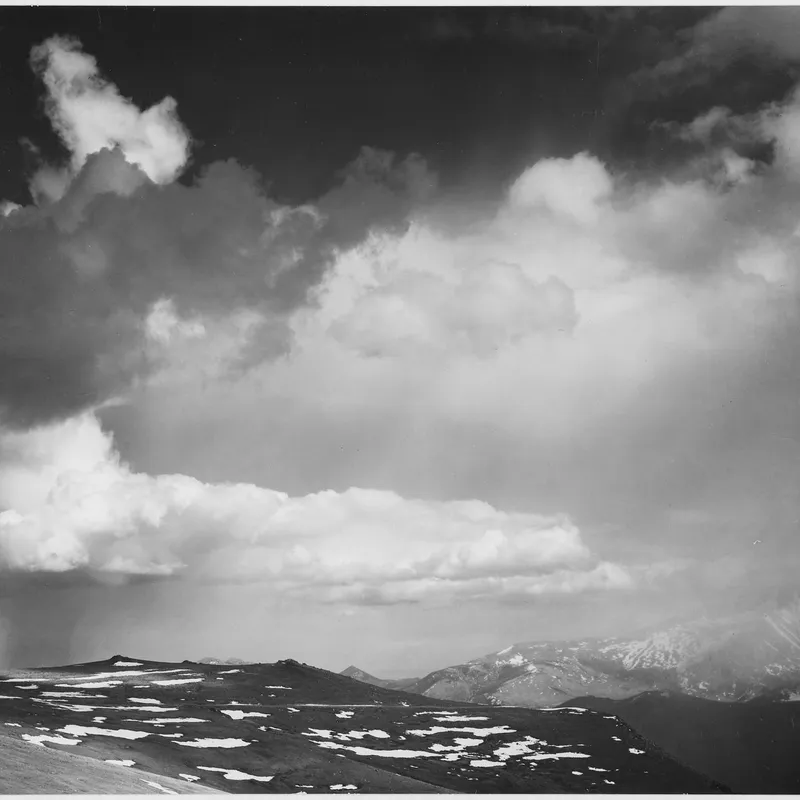
How coloured contrast filters reassign tones in monochrome, and why a red filter darkens a blue sky while leaving clouds bright.

· 6 min read
How Bill Brandt traded tonal fidelity for stark blacks, bleached whites, and the steep distortion of a wide-angle police camera.
· 7 min read
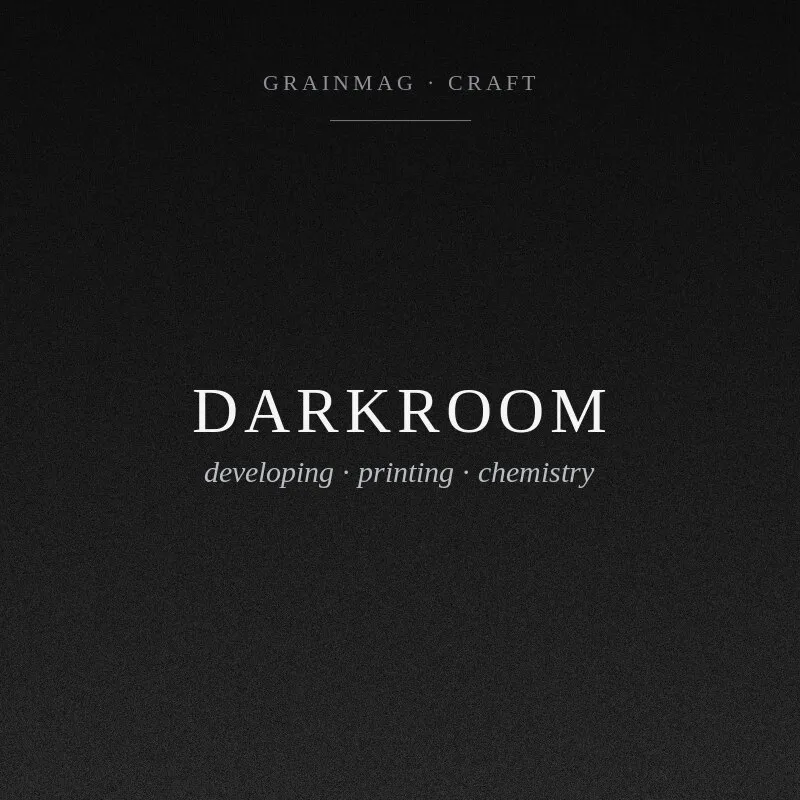
The colour-sensitised emulsions inside multigrade paper, how magenta and yellow filtration sets the grade, and why exposure shifts at the hard end.
· 7 min read
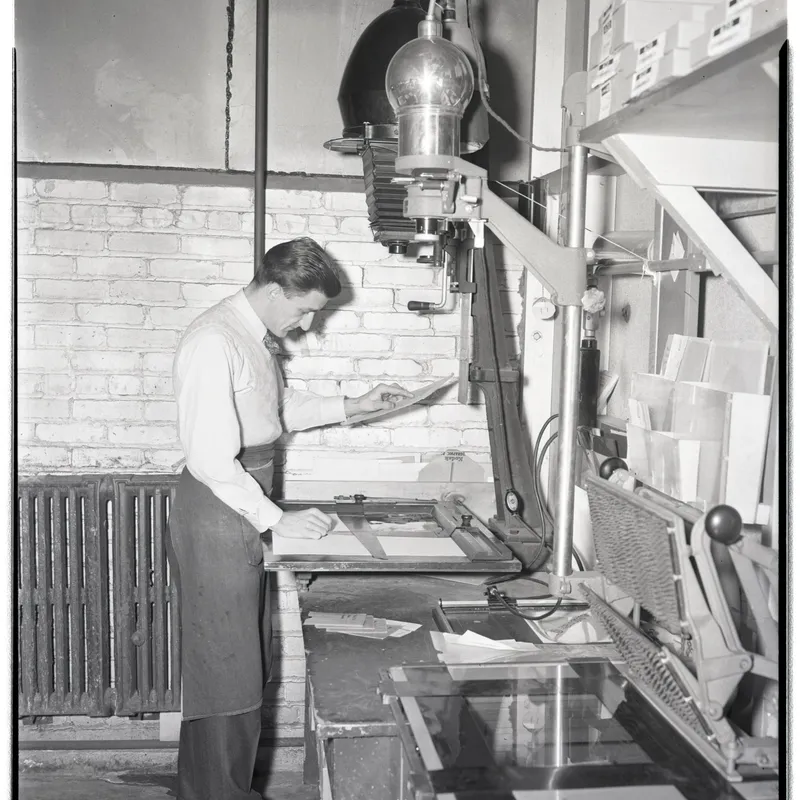
Why condenser and diffusion enlarger heads render contrast and grain differently, the Callier effect behind it, and how to choose between them.

· 6 min read
A contrast filter's effect on tonal rendering and its filter factor both shift with the light source, because the source supplies the wavelengths the filter selects from.
· 6 min read
How filter factors are derived, why they shift with light source and film, and how to convert a factor into stops of added exposure.
· 6 min read
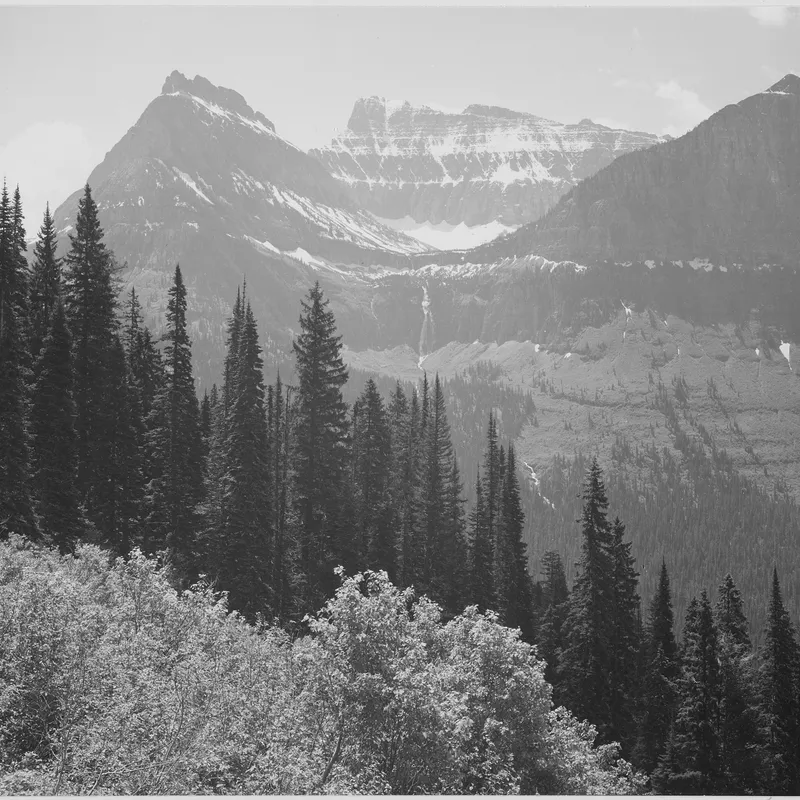
How a green filter lightens foliage and darkens red and skin tones, and where it separates leaf tones better than a yellow filter.
· 7 min read
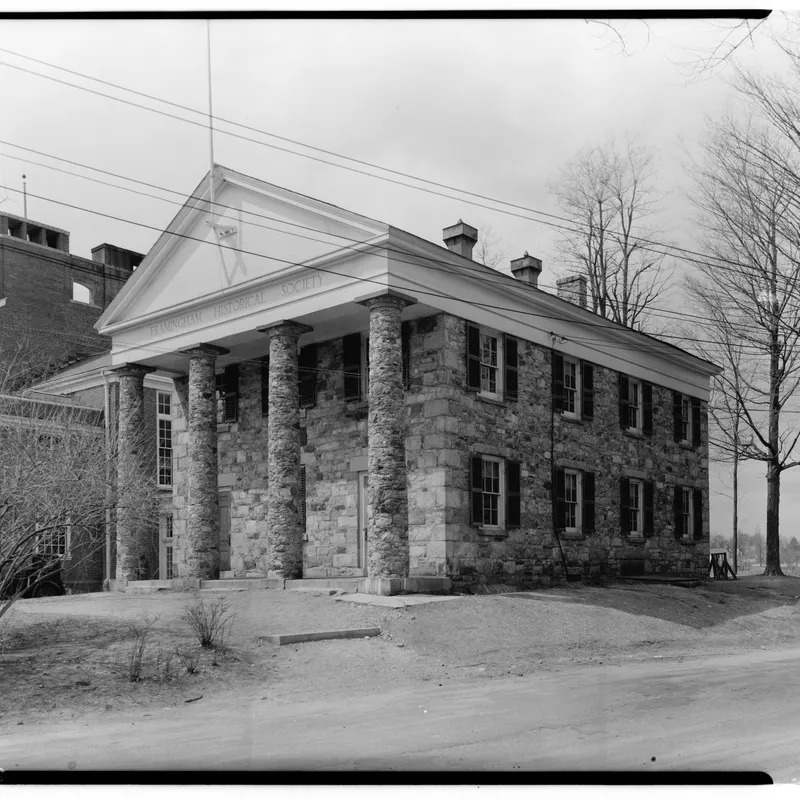
How the orange filter cuts atmospheric haze, separates stone from brick, and deepens skies without the near-black extremes of a deep red.
· 6 min read
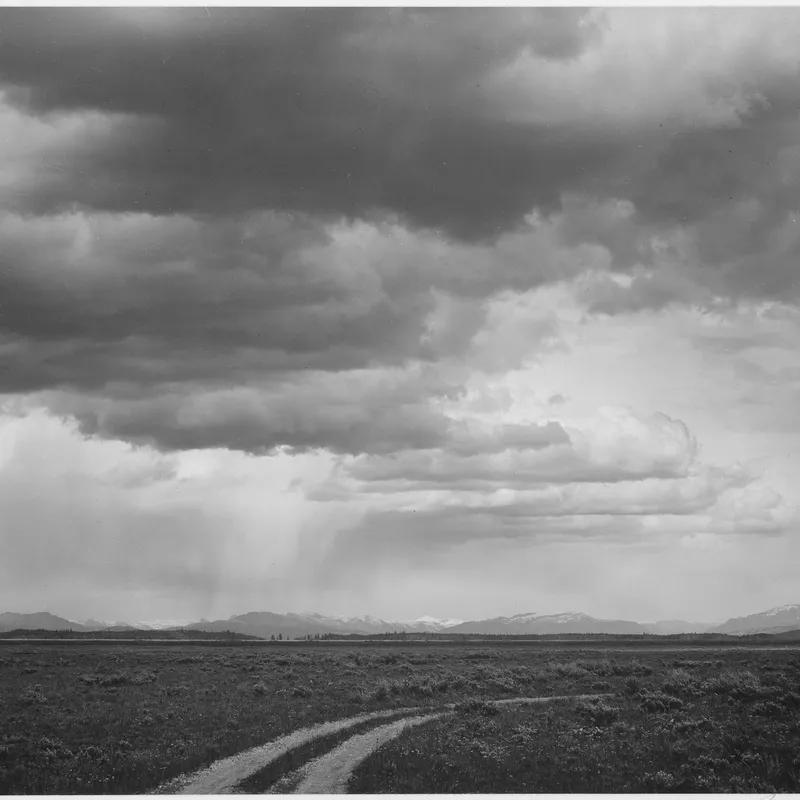
How graduated neutral density filters compress a scene's brightness range by darkening the sky, and why the horizon dictates a hard or soft transition.
· 7 min read
How spot readings of the darkest and brightest important areas reveal a scene's contrast range in stops, and whether it fits the film.
· 7 min read
How extending development time raises negative contrast so a short scene brightness range fills a normal paper grade, the expansion half of the Zone System.
· 7 min read
How shortening development time lowers negative contrast so a long scene brightness range fits a normal paper grade, the second half of the Zone System equation.