· 6 min read
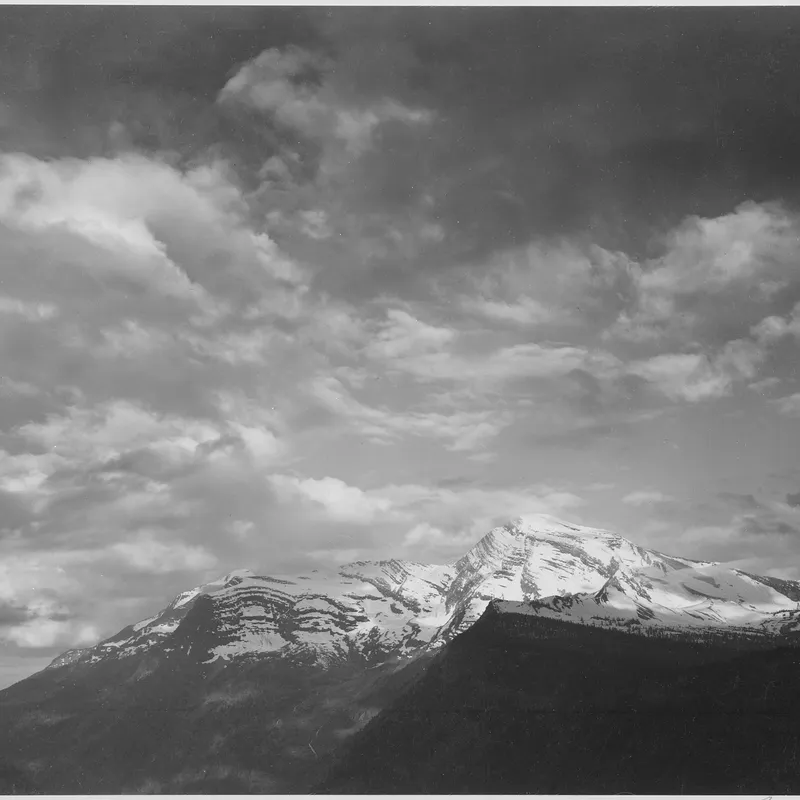
The Negative as Score: Adams, Print Values, and the Logic of Dodging and Burning
How Ansel Adams treated the negative as a fixed score and the print as performance, holding back and burning in to realize a visualized tonal scale.
· 6 min read
How Ansel Adams treated the negative as a fixed score and the print as performance, holding back and burning in to realize a visualized tonal scale.
· 6 min read
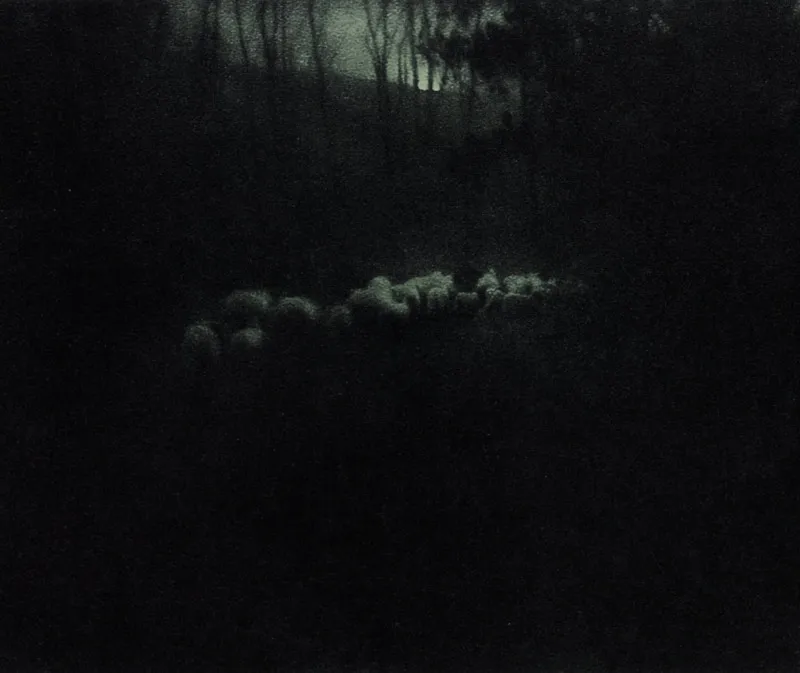
How Kenna's small square negatives, exposures of seconds to hours, and vast empty fields reduce landscape to a few essential tonal marks.
· 6 min read
How Salgado built heroic tonal range from soft light, then printed digital captures as silver gelatin via LVT film negatives for the Genesis series.
· 6 min read
How Bill Brandt traded tonal fidelity for stark blacks, bleached whites, and the steep distortion of a wide-angle police camera.
· 6 min read
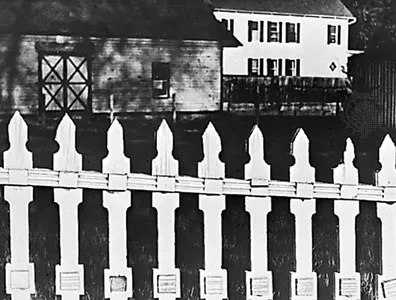
How Strand traded soft pictorialism for sharp, frontal, geometric framing, and what his fences, shadows and machines taught modern black and white seeing.
· 8 min read
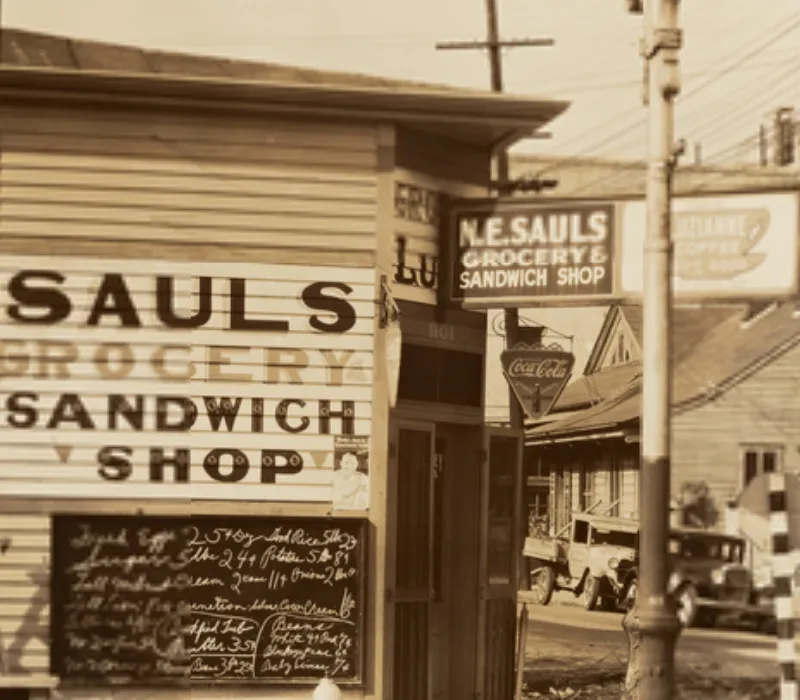
How Cartier-Bresson fused timing with internal geometry, composing the full 35mm frame in the viewfinder and printing uncropped, with the Leica as a discreet tool.
· 7 min read
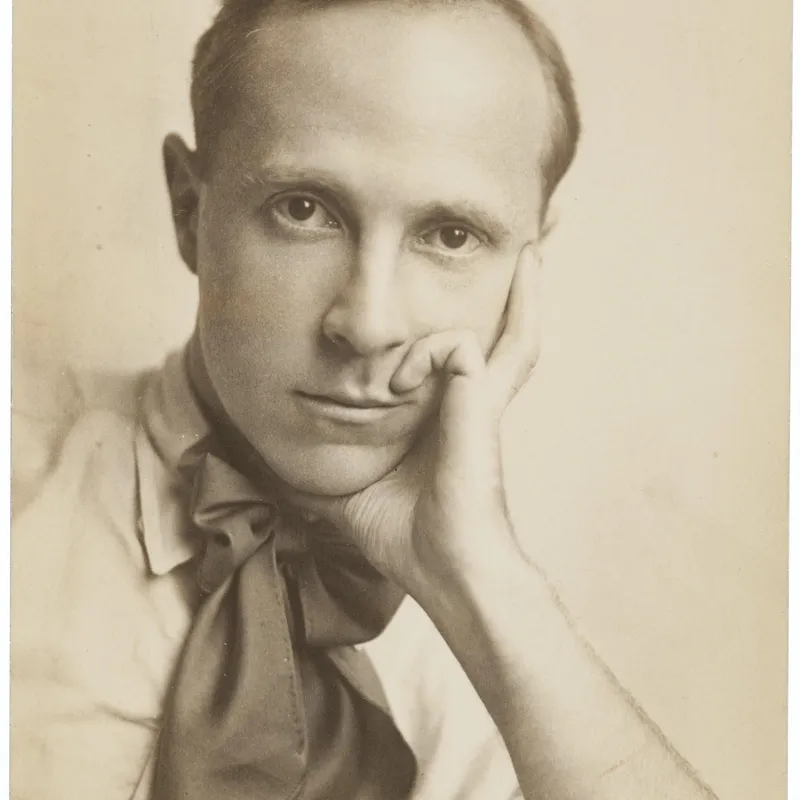
How Edward Weston used a small aperture, raking light, and contact printing to abstract a pepper into pure form, and what that discipline teaches.
· 6 min read
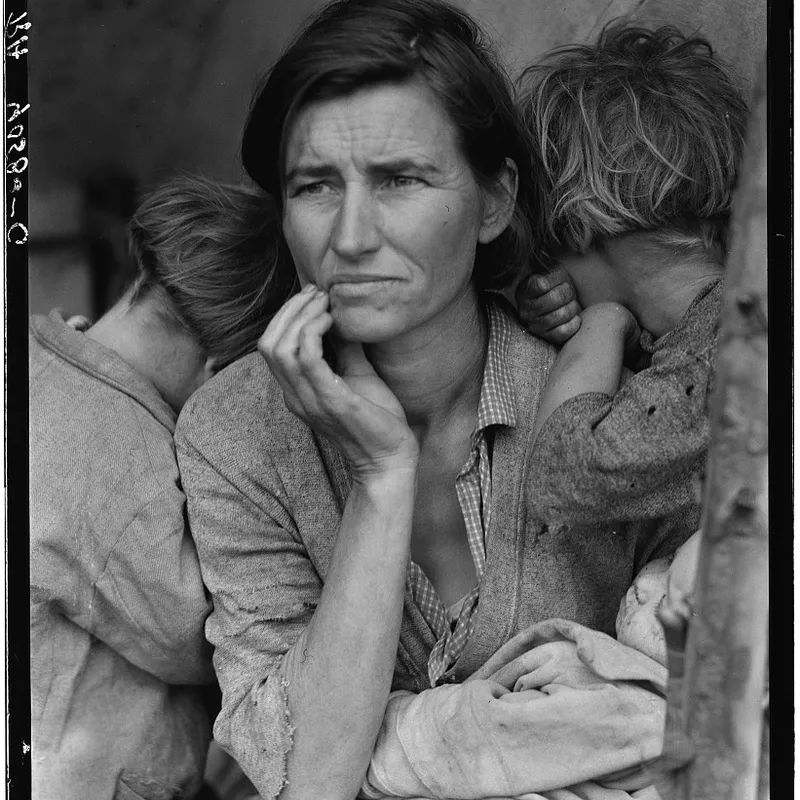
How Dorothea Lange's Depression-era FSA work used restrained tonality and physical closeness, and why monochrome carried the documentary weight.