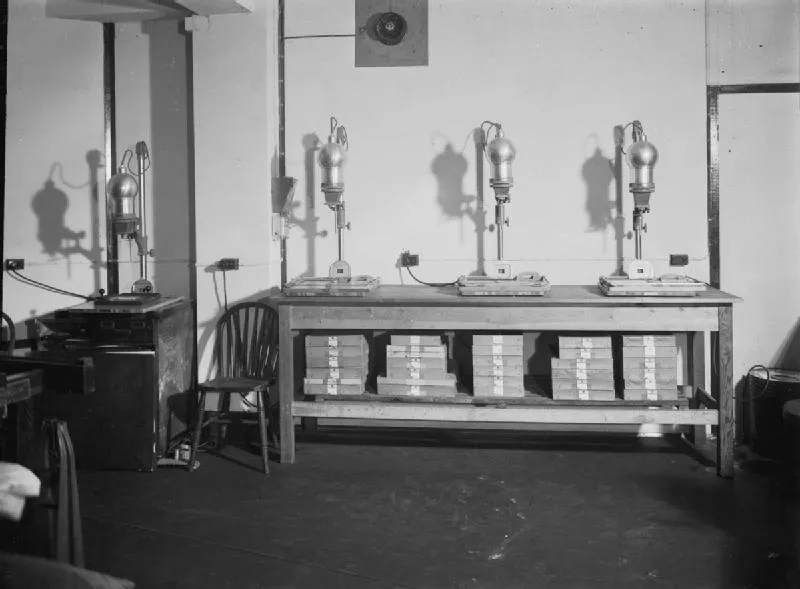
· 7 min read
Pre-flashing paper to hold detail in difficult highlights
How a sub-threshold pre-exposure lowers highlight contrast on printing paper, why it works on the toe of the curve, and how to calibrate the flash level.
· 7 min read
How a sub-threshold pre-exposure lowers highlight contrast on printing paper, why it works on the toe of the curve, and how to calibrate the flash level.
· 6 min read
Fibre prints darken and flatten as they dry. How to measure the dry-down percentage and adjust exposure and contrast so the dry print matches the wet judgement.
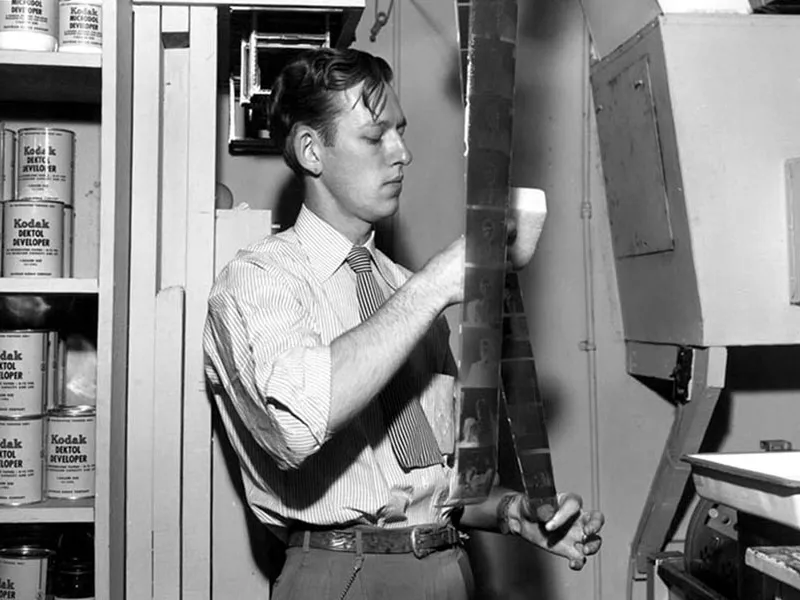
· 7 min read
How holding back and adding light to specific print areas works, why constant motion keeps edges soft, and how a printing map records the sequence.
· 7 min read
How a uniform sub-threshold exposure before the main exposure lifts deep shadows past the film's threshold while leaving highlights almost untouched.
· 6 min read
How the Sunny 16 rule estimates daylight exposure without a meter, its adjustments for cloud and shade, and why it still checks a metered reading.
· 6 min read
How and when to bracket exposures by full and fractional stops, how to set the spread for film versus digital, and when brackets serve as insurance or as blending source frames.
· 7 min read
How incident and reflected meters read light differently, when each excels, and why incident readings sidestep the middle-gray assumption.