· 7 min read
The Zone System, explained for film shooters
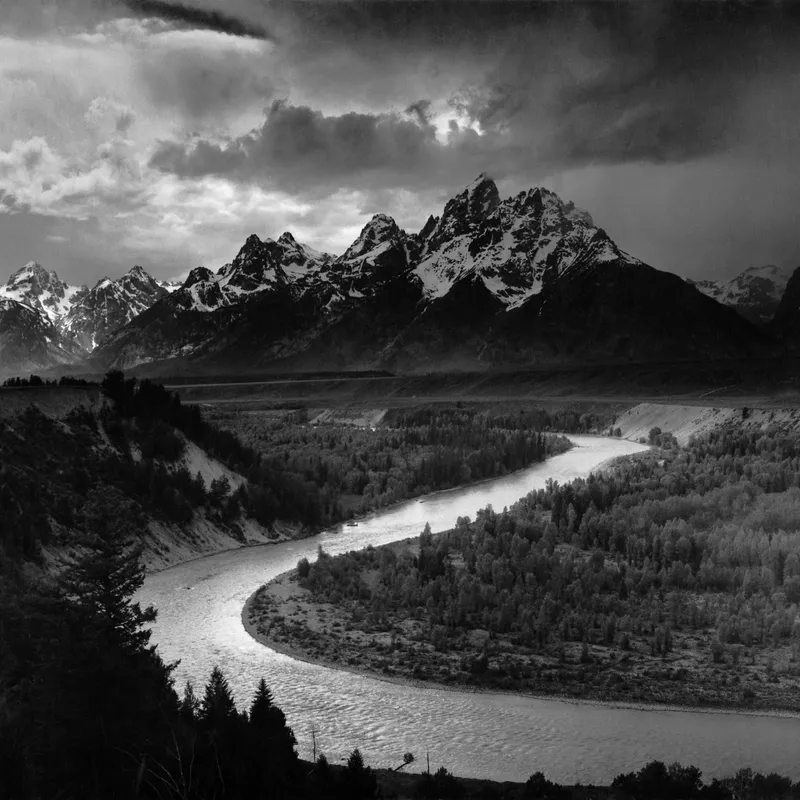
How Ansel Adams's Zone System turns metering into a deliberate choice — and how to use it without a darkroom full of gear.
· 7 min read
How Ansel Adams's Zone System turns metering into a deliberate choice — and how to use it without a darkroom full of gear.

· 7 min read
How a film's spectral sensitivity curve converts colors into gray tones, why early orthochromatic emulsions darkened skin, and how panchromatic film fixed it.
· 7 min read
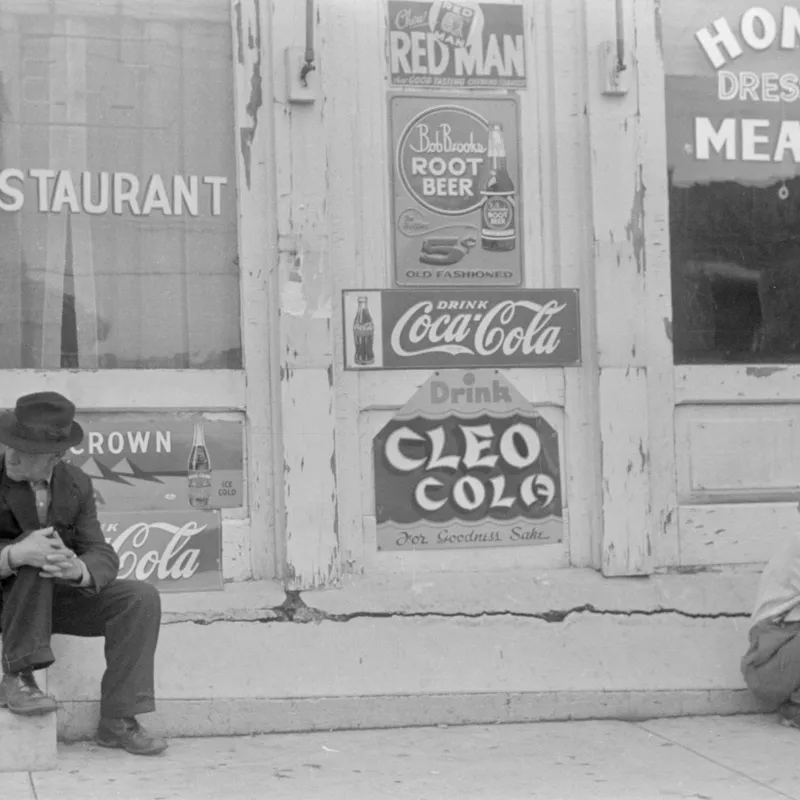
How silver grain size, film speed and development build a tactile structure, and how photographers turned coarse grain into a deliberate style.
· 6 min read
Why film loses sensitivity during long exposures, how to read a stock's reciprocity data, and how to correct metered exposure times.
· 8 min read
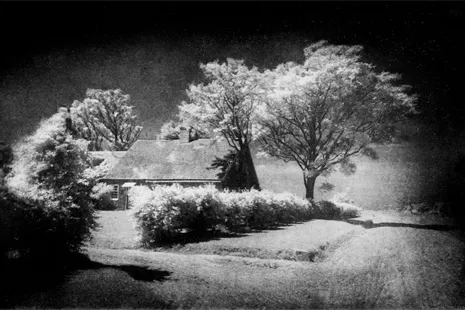
How infrared-sensitive film with a deep red or opaque IR filter renders foliage white and skies black, and why the lens must be refocused.
· 7 min read
How the red-blindness of orthochromatic emulsions shaped portrait and landscape tonality before panchromatic film made all colors visible.

· 7 min read
How orthochromatic film's blindness to red darkens skin and reds while panchromatic emulsions record the full spectrum, and what each does to tone.

· 7 min read
What film grain physically is, how developer solvency and agitation change graininess, and why finer grain and crisp edges often pull against each other.
· 6 min read
Why ISO 125 FP4 Plus delivers smooth midtones and forgiving exposure across formats, and how developer dilution shifts grain, sharpness, and contrast.
· 6 min read
How shortened development lowers negative contrast and rescues overexposed or high-contrast scenes, and what it costs in shadow separation and effective speed.
· 7 min read
Why Foma's Fomapan emulsions often meter slower than box speed and lose sensitivity sharply during long exposures.

· 6 min read
How Delta's engineered core-shell tabular crystals depart from cubic-grain films, and what that means for sharpness, speed, and development latitude.
· 6 min read
Why ISO 50 Pan F Plus delivers exceptional fine grain and resolution, and why its latent image must be developed promptly to hold shadow detail.
· 5 min read
How Fujifilm Neopan 100 Acros II resists reciprocity failure to 120 seconds, and what its Super Fine-Sigma grain delivers.
· 6 min read
Why thiosulfate fixer wears out, how retained silver complexes stain a negative, and the film-clip clearing test that flags a spent bath.
· 7 min read
How Ilford HP5 Plus and Kodak Tri-X 400 differ in tonal response, grain, and development latitude as working 400-speed black and white films.
· 6 min read
How Xtol pairs ascorbic acid with a phenidone-type agent for fine grain and full speed, and why early batches failed without warning.
· 6 min read
How flattened tabular silver-halide crystals raise sharpness and cut graininess for a given film speed, and why T-Max is sensitive to development time.
· 7 min read
How highly dilute Rodinal and long, still development compress highlights, sharpen edges, and where the method tends to fail.
· 7 min read
Why development rate climbs steeply with temperature, how compensation factors are derived from it, and where time adjustment stops working outside 20C.
· 6 min read
How inversion, twirl, and rotary agitation move developer across the emulsion, the patterns they leave, and how each shapes evenness and contrast.
· 7 min read
What rating Tri-X 400 at EI 1600 and extending development actually does to shadow detail, contrast, grain, and where highlights begin to block up.
· 7 min read
How D-76's borax-buffered chemistry drifts with use, and the trade-offs between replenishment, seasoning, and discarding after a single film.
· 7 min read
How a uniform sub-threshold exposure before the main exposure lifts deep shadows past the film's threshold while leaving highlights almost untouched.
· 7 min read
Why box ISO often yields thin shadows, and how metering Zone I density on a specific film and developer reveals a personal exposure index.
· 7 min read
Why negative film forgives overexposure while sensors clip highlights abruptly, and how latitude differs from dynamic range.
· 7 min read
Film shadows starve for light while digital highlights clip hard. The opposite failure modes of the two media reshape every metering decision.
· 8 min read
How the H&D curve maps log exposure to density, and what its toe, straight-line section, and shoulder reveal about shadow and highlight rendering.